GIP: what gastric inhibitory peptide does in the body
Learn what GIP (gastric inhibitory peptide) is, why it has two names, how it helps release insulin after meals, and how tirzepatide differs from it.
Published

Editorial publication
The Peptide Field explains peptide research with links to original studies and official records. The site editor checks claims, source limits, and corrections. That editorial check does not include independent medical review.
Meet Dana Whitcomb, our editorial voiceDates show recorded publication or content updates. Original publication dates are not known for every post.
Learn what GIP (gastric inhibitory peptide) is, why it has two names, how it helps release insulin after meals, and how tirzepatide differs from it.
Published

Learn what Argireline is, what small wrinkle trials measured, and why a laboratory skin-penetration result cannot predict every serum's effects.
Published

Compare Matrixyl, Matrixyl 3000 and synthe'6 ingredients. See what two human wrinkle studies found and check whether a cream claim matches them.
Published

What are antimicrobial peptides? Learn about human defensins, LL-37 and sweat peptides, and how to read laboratory findings without assuming treatment benefits.
Published

What is IGF-1 LR3? Compare its structure with natural IGF-1 and see what original cell and animal studies can establish.
Published

Is tesofensine a peptide? Check its recorded structure, learn what reuptake inhibitor means, and separate a substance identifier from drug approval.
Published

How are peptides made? Compare cell assembly, chemical synthesis and recombinant production. Learn why a method name cannot prove product quality.
Published

KLOW and GLOW are seller names for mixed peptide vials. See what each usually contains, what FDA found for each ingredient, and why no study of either blend in people was found.
Updated

Compare semaglutide and tirzepatide. See what two direct studies found, how FDA-approved products differ, and which risks and evidence limits matter.
Updated

A limited directory of FDA-approved peptide medicines. Each entry names the brand, application, dosage form, route, and approved use. It does not treat an ingredient name as proof of approval.
Updated

Cell penetrating peptide tests can show attachment, trapped cargo, or delivery into cell fluid. Learn what each result proves and where the evidence stops.
Published Updated

Yes. Glucagon is a peptide hormone that helps raise blood sugar. Learn its normal role and how it differs from proglucagon and GLP-1.
Published Updated

Yes. Human somatostatin has 14- and 28-amino-acid peptide forms. Compare both with their 116-unit precursor and with octreotide.
Updated

Yes. Human ghrelin has 28- and 27-unit peptide forms. See how its 117-unit precursor and a fatty-acid change affect the names in source records.
Updated

Yes. Human calcitonin is a 32-unit peptide hormone. Learn why its precursor has 141 units and how calcitonin differs from procalcitonin and CGRP.
Published

Yes. Human vasopressin is a nine-unit peptide hormone. See why its precursor has 164 units and how vasopressin differs from copeptin and oxytocin.
Published

Yes. Human insulin is a peptide hormone also described as a small protein. See how its two chains differ from proinsulin and C-peptide.
Published

Yes, GLP-1 is a peptide hormone. Compare its 30- and 31-unit forms with its precursor, semaglutide, and a nonpeptide receptor agonist.
Published

Collagen is a protein made of peptide-linked chains. Learn how intact collagen, gelatin, and collagen peptides differ, and what each name can tell you.
Published
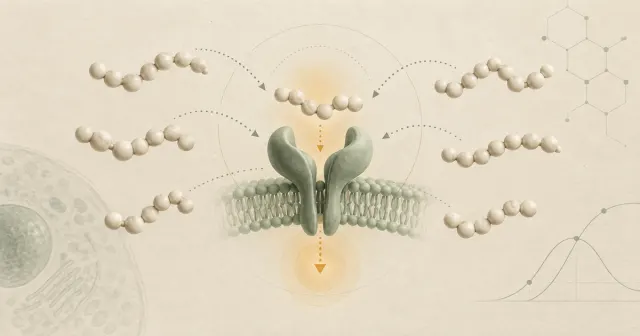
Learn what GHRP peptides are, how GHRP-6 differs from other members and GHRH, and what short human studies cannot prove.
Updated
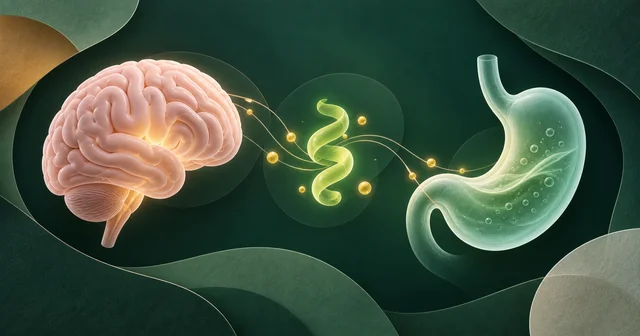
How does GLP-1 work for weight loss? Learn about appetite, food intake, stomach emptying, and the limits of human studies.
Published Updated

Is carnosine a peptide? Learn how its two amino-acid units determine its chemical class and what that class cannot show.
Updated

Is creatine a peptide? Learn why creatine is an amino-acid derivative rather than an amino-acid chain.
Updated

Is glutathione a peptide? Learn why glutathione is a tripeptide, how its unusual bond works, and what chemical class cannot tell you.
Updated

Is melatonin a peptide? Learn why melatonin is an indoleamine rather than an amino-acid chain.
Updated

Is MK-677 a peptide? Learn why ibutamoren is a nonpeptide, what its receptor studies show, and where FDA status and safety evidence stop.
Updated

Is NAD a peptide? Learn why NAD is a dinucleotide coenzyme and how NAD+, NADH, NMN, and NR differ from peptides.
Updated

Is oxytocin a peptide? Learn why oxytocin is a cyclic nine-amino-acid peptide and what that class cannot show.
Updated

Is SLU-PP-332 a peptide? Learn what its chemical structure shows and why a catalog label cannot establish chemical class.
Updated

Is taurine a peptide? Learn why taurine is an amino sulfonic acid rather than an amino-acid chain.
Updated

Most oral peptides break down when swallowed. See which FDA-approved peptide pills are built to work, what their studies measured, and how to check a peptide pill claim.
Updated

KPV peptide is a three-amino-acid piece of alpha-MSH. See what cell and animal studies tested, plus FDA's 2026 review and committee vote.
Updated

No single legal status covers peptides. See which peptide medicines are approved, which can be compounded, what FDA Category 2 means, and where the rules stop.
Updated
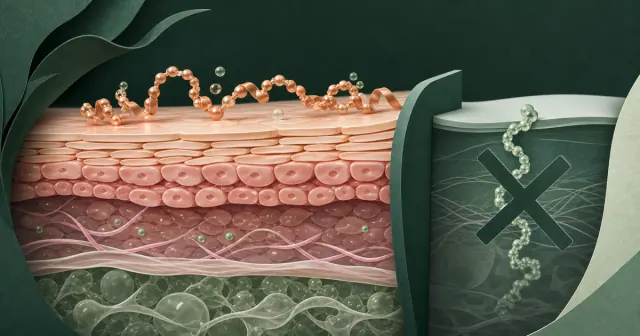
Learn what human studies show about peptide skin creams, collagen supplements, afamelanotide, GHK-Cu, and injection claims. See where the evidence stops.
Updated

Learn which peptide medicines help with weight loss, what a direct study found, and which risks matter. Compare approved medicines with other products.
Updated

What peptides are, what they may do, safety limits, uses, and product details.
Updated

Peptide vs protein: compare amino acids, chain length, folding, and the limits of chemical and U.S. regulatory definitions.
Updated

Learn what peptide purity means, what a 99% result can show, and why one lab report cannot prove strength, sterility, safety, or FDA approval.
Updated

Peptide therapy is a broad term. Learn how to check approval, evidence, product identity, and safety without treating every peptide product as the same.
Updated

A plain-language comparison of peptides and steroids. It covers chemistry, how they send signals, approved medicines, product quality, safety evidence, and the 2026 World Anti-Doping Agency list.
Updated

No retatrutide product is FDA-approved or launched, and no legitimate U.S. retail price exists. The sections below separate research access, expanded access, research sales, compounded claims, and speculation.
Updated
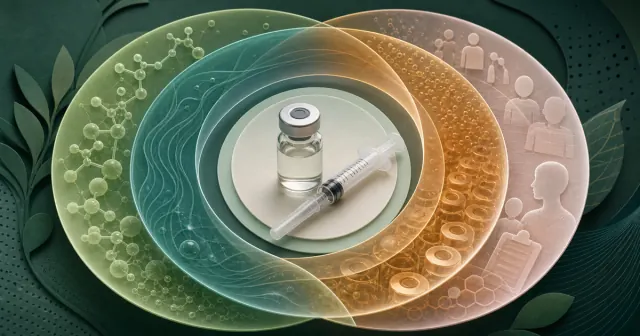
Peptide injections do not have one safety answer. Learn how approved, compounded, research-labeled, and counterfeit products differ in evidence, quality, and risk.
Updated

A plain-language guide to BPC-157 safety. Current reports do not show which side effects occur or how often. It explains the small human record, FDA concerns, product risks, and what remains unknown.
Updated

Compare peptide clinic prices by product, prescriber, pharmacy, monitoring, insurance, and cancellation terms.
Updated
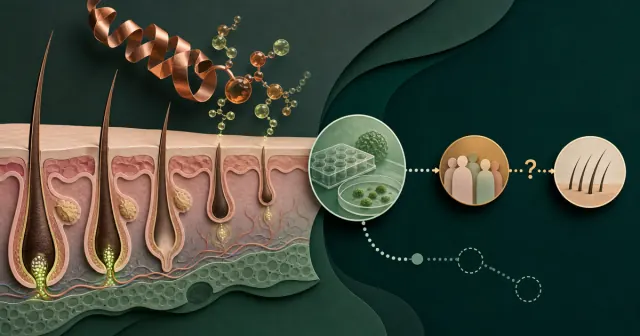
Learn what human studies show about copper-peptide hair products. See why early lab work, small mixture studies, and injection claims do not prove hair growth.
Updated
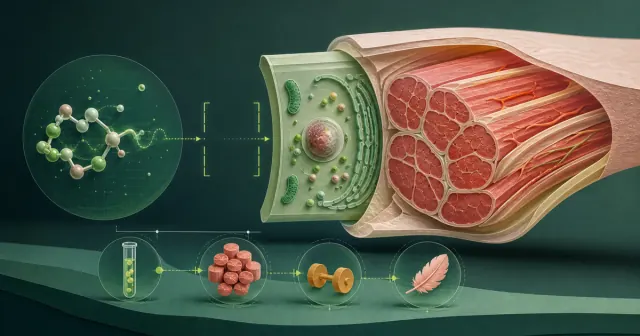
Do peptides build muscle? Read what human studies found for CJC-1295, ipamorelin, tesamorelin, BPC-157, TB-500, PEG-MGF, and collagen peptides.
Updated

A peptide name or lab report does not make two products the same. Seven product details decide whether a study result applies to a product.
Updated

Use five steps to check a statement about a peptide against studies and official records.
Updated

Peptide marketing often cites cell or animal studies. Learn why those results may not apply to people and what human studies can show.
Updated

Compounded drugs are not FDA-approved and are not reviewed for safety, effectiveness, or quality before marketing. Learn what approval covers, what compounding is for, and how to check a product.
Updated